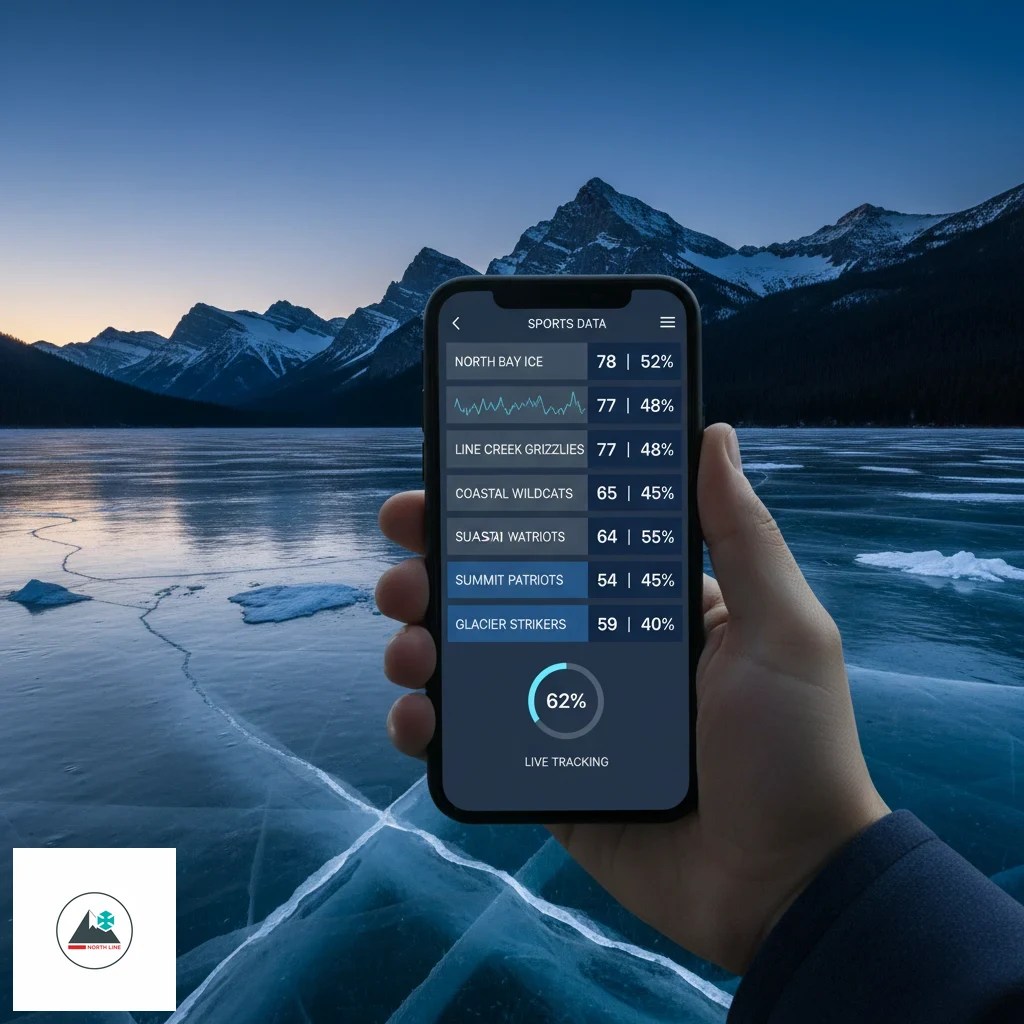
Evaluate verified mobile sportsbooks featuring 35+ sports leagues, low-margin live lines, fast CAD payouts, and clear licensing before installing anything.
Over 35 sporting categories with coverage across NHL puck lines, CFL spreads, and major European soccer tournaments.
Real-Time Live Odds
Dynamic micro-betting updates and responsive cash-out tools for in-play wagers across active fixtures.
Fast Canadian Banking
Instant deposits and automated payout processing via Interac e-Transfer, credit cards, and major crypto options.
Bankroll Systems Support
Customizable bet slips designed to easily manage accumulators, round robins, and structured staking systems.
Supported App Payment Methods
Interac
Visa
Mastercard
Skrill
Bitcoin
Bank Transfer
North Line Welcome Offer Overview
New Canadian accounts at North Line qualify for a 100% first match up to $150 with a $10 minimum qualifying transfer. Evaluating this sportsbook deposit bonus requires reviewing the turnover structure: the terms demand a 5x wagering multiplier applied to both the deposit and bonus amount (D+B).
Qualifying wagers must carry minimum decimal odds of 1.80 (-125) on single or accumulator markets. While the 5x rollover sits below the standard 8x industry average, the 1.80 odds threshold is slightly stricter than platforms accepting 1.50. Deposits sent via Neteller or Skrill do not trigger the promotion, and unfulfilled balances expire after 30 days.
Tracking rollover progress inside the app itself removes most of the guesswork. A running counter on the promotions tab shows exactly how much qualifying turnover remains, updating after each settled wager rather than requiring a manual spreadsheet. Void, cashed-out, or pushed bets do not count toward the multiplier, so bettors clearing the offer through parlay legs that get voided mid-week often see the countdown stall until fresh action replaces the graded stake.
Licensing, Regulation, and Security
North Line operates under Malta Gaming Authority license MGA/CRP/123/2006, registered to Nordic Gaming Group Ltd. This regulatory framework enforces segregated player accounts, independent balance auditing, and mandatory compliance standards outlined in our legal betting guidelines.
All mobile network transmissions rely on 256-bit TLS encryption to protect payment processing, Interac deposits, and login authentications. Bettors can also activate biometric access and manage deposit caps via built-in responsible gambling tools.
Step-by-Step Guide to Getting Started on Mobile Betting Apps
1
Download or Access the Mobile Client
Select a licensed operator catering to Canadian bettors and install the verified iOS application from the App Store or download the official Android APK. Alternatively, load the mobile-optimized web app in your smartphone browser and save it to your home screen for rapid access.
2
Complete Registration and KYC Verification
Enter your full legal name, Canadian residential address, date of birth, and email. Regulated platforms require identity verification before unlocking payouts, so have a government-issued photo ID and a recent utility bill ready for quick automated approval.
3
Fund Your Account and Claim Promos
Navigate to the cashier section and select a payment method such as Interac e-Transfer, Visa, Mastercard, or supported crypto tokens. If eligible, review the minimum deposit terms to activate a sportsbook deposit bonus on your opening transfer.
4
Build and Confirm Your First Bet Slip
Browse the sports menu across NHL, CFL, NBA, or international soccer, or switch to live betting markets with updating odds. Tap your preferred line, enter your stake on the bottom slip overlay, and confirm the wager.
Evolution of Mobile Sports Betting in Canada
2018–2020
Transition to Native Architecture
Early sportsbook interfaces moved away from basic browser shells toward dedicated native frameworks on iOS and Android. Biometric logins via Touch ID and Face ID replaced manual password entry, while optimized socket connections reduced odds transmission delays to sub-second intervals.
August 2021
Federal Single-Game Wagering Legalization
The enactment of Bill C-218 repealed Canada's federal restriction on single-event betting, allowing mobile operators to offer straight moneyline, point spread, and prop wagers without requiring multi-leg parlay structures.
April 2022
Ontario Regulated Market Launch
Ontario opened its commercial market under the supervision of the AGCO and iGaming Ontario. Mobile sportsbook builds incorporated mandatory device-level geolocation SDKs to enforce provincial boundaries and standardized identity checks for Canadian players.
2024–2025
Micro-Markets and Modern Payment Integration
Mobile applications integrated high-frequency data feeds to support live betting markets down to individual pitches and drives. Operators also expanded banking infrastructure, combining Interac e-Transfer with alternative cashier methods like crypto betting options.
2026 Standards
Low-Latency Streaming and Instant Settlement
Current sportsbook applications operate on lightweight application bundles under 100 MB, pairing integrated video streaming with instant grade-and-settle engines across complex types of sports bets.
Native Apps vs Mobile Web
Native Application Architecture
Installed mobile sportsbook apps built specifically for mobile operating systems interface directly with device hardware. This integration enables instant biometric authentication via fingerprint or facial recognition, background push notifications for price movement alerts, and reduced data latency when tracking live in-play betting markets. Dedicated setups like iOS sports applications maintain precise background geolocation tracking without requiring third-party browser plugin checks.
However, native apps require manual or automated updates through official store directories or verified direct packages, and they consume 90 MB to 300 MB of local phone storage depending on integrated live-streaming codecs.
Mobile Browser Betting Platforms
Responsive HTML5 web apps execute straight through standard mobile browsers such as Safari, Chrome, and Firefox without requiring local software installation. This format uses zero device storage and guarantees accessibility on older smartphones that no longer receive the latest operating system builds. Server-side adjustments appear immediately on page refresh, keeping account balances and active sportsbook deposit bonuses aligned without app updates.
The primary drawbacks involve session timeouts and location verification. Mobile browsers frequently require re-verification of GPS positioning between active wagers and lack the ability to deliver instant push notifications when cash-out thresholds are met during matches.
How to Set Up and Use Mobile Sports Betting Apps in Canada
1
1. Select and Install the Application
Download the native application directly from the Apple App Store for iOS or the Google Play Store for Android. For operators without dedicated app store listings, install their progressive web app (PWA) directly from the browser by selecting "Add to Home Screen".
2
2. Verify Age and Provincial Location
Register with accurate personal details and confirm provincial eligibility (18+ in Alberta, Manitoba, and Quebec; 19+ across the rest of Canada). Regulated platforms require identity verification (KYC) via photo ID and automated location checks through integrated geolocation software.
3
3. Fund the Account and Check Bonus Rules
Make an initial deposit using standard Canadian methods like Interac e-Transfer, debit cards, or supported digital assets on crypto sports betting sites. If activating a promotional match, verify minimum turnover and qualifying odds via our sportsbook bonus guide.
4
4. Navigate Markets and Manage Bet Slips
Browse leagues including the NHL, CFL, NBA, and international soccer. Select single lines, parlays, or access live betting markets with dynamic in-play odds adjustments. Set custom stake limits to maintain bankroll discipline before confirming your slip.
Mobile Sportsbook Interface Overview
Live Odds FeedCompact Bet SlipFast Account CashierIn-Play Match Tracker
Native Apps vs Mobile Web Betting
Native mobile applications installed directly via the App Store or APK packages offer optimized hardware performance. They deliver biometric logins through Face ID and fingerprint sensors, push notifications for odds shifts, and lower data consumption during intense match streams. For dedicated users wagering on iOS sports betting platforms, native builds provide smoother multi-touch navigation when assembling complex same-game parlays.
However, native applications require periodic updates, consume 80 MB to 250 MB of internal device storage, and mandate geo-location services run continuously in the background to comply with regional Canadian licensing regulations.
Browser-based mobile platforms run via HTML5 directly inside Safari, Chrome, or Firefox without requiring local downloads or system storage. They are accessible across older operating systems and allow bettors to bypass app store territory filters. Mobile sites feature identical odds boards, cashier options, and access to standard sportsbook promo codes without manual file updates.
The trade-off rests in live execution speed: browser caching can add slight latency during high-frequency in-play betting markets, and browser sessions automatically time out more quickly during inactive periods between game quarters.
Average Withdrawal Processing Times by Payment Method
0–2 hours
Interac e-Transfer
The standard method for Canadian sports bettors. Once an app approves the withdrawal request, funds transfer directly to your domestic bank account via Gigadat or similar payment gateways, typically settling within 30 to 120 minutes without intermediary transaction fees.
15–45 min
Cryptocurrency Transfers
Direct blockchain payouts in Bitcoin, Ethereum, or USDT on dedicated crypto betting options. After automated internal risk clearance, transactions broadcast instantly to the network and clear following required block confirmations.
2–24 hours
E-Wallets (MuchBetter, MiFinity, ecoPayz)
Mobile digital wallets receive approved funds within several hours of bookmaker release. E-wallets offer a reliable separation between bank statements and wagering activity, though transferring from the e-wallet to a Canadian bank may add separate settlement steps.
1–3 business days
Visa Direct & Direct Bank Wire
Real-time card pushes through Visa Direct settle within hours on compatible cards, while traditional Electronic Funds Transfers (EFT) require standard batch processing through Canadian clearing houses, as commonly documented across sports betting sites.
Mobile Sportsbook Performance Standards
35+Sport Markets Covered
< 1.5sLive Odds Refresh
0–24 hrsPlatform Download Fees
19+In-App Support
Evaluating Sports Betting Apps vs. Mobile Web
App Advantages
Faster In-Play Execution
Native applications cache interface elements locally on your device, noticeably reducing latency when placing wagers during dynamic live betting markets.
Biometric Authentication
Support for Face ID and fingerprint sensors allows instant account access without re-entering credentials for each active betting session.
Custom Push Alerts
Opt-in notifications deliver immediate updates on settling tickets, odds shifts, and time-sensitive sportsbook deposit bonuses.
App Limitations
Strict Geolocation Checks
Canadian licensing rules require constant background location validation, which can interrupt bets on unstable cellular networks compared to desktop sports betting sites.
Device Storage Overhead
Native builds consume between 150 MB and 450 MB of storage space and mandate regular updates to maintain compliance and security protocols.
Limited Multi-Line Comparison
Switching between multiple sportsbooks to track line movement is slower on a single mobile screen than managing multiple browser tabs simultaneously.
User Experiences with Canadian Mobile Sportsbooks
Testing live in-play markets during NHL games showed odds updating within two seconds on mobile data. Interac e-Transfer payouts consistently landed in my account in under four hours without extra verification delays.
Liam M., Calgary
Face ID login keeps session timeouts manageable when switching between pre-game lines and cash-out menus. The interface lets you move from CFL point spreads to European soccer totals in two taps.
Marc-André B., Montreal
Identity verification took under thirty minutes using a standard provincial ID upload. The bet slip calculates multi-leg parlays across NBA player props and NFL moneylines without interface lag on kickoff Sundays.
Sarah T., Halifax
Compare Certified Mobile Sportsbooks Today
Review active Canadian sportsbook licenses, fast payout options, and competitive pre-match lines across all platforms.
Legal age requirements for sports wagering applications in Canada depend directly on provincial jurisdiction. In Alberta, Manitoba, and Quebec, users can register and wager on mobile apps starting at age 18. In Ontario, British Columbia, and all other provinces and territories, the legal minimum age is 19. Regulated bookmakers enforce these boundaries strictly using automated geolocation software and database-matching checks during initial signup.
Standard verification procedures mandate submitting government-issued photo identification—such as a Canadian driver's license or passport—alongside proof of residential address before an account can process cash withdrawals. While some offshore platforms allow initial deposits without upfront documentation, identity verification remains obligatory prior to your first payout. For bettors utilizing dedicated iOS betting apps or Android APKs, completed verification also guarantees uninterrupted access to in-play betting markets and real-time bankroll management.
Dedicated mobile sportsbook apps built specifically for iOS and Android leverage device hardware for faster response times. Key advantages include biometric authentication (Face ID or fingerprint recognition), automated push alerts for odds changes or settled slips, and reduced data consumption during high-frequency live betting markets.
However, native applications require regular updates and consume internal storage—typically between 80 MB and 250 MB before cache files accumulate. In regulated Canadian jurisdictions like Ontario, native apps also rely on integrated geolocation SDKs (such as GeoComply) that must run in the background to verify physical presence inside provincial borders.
Mobile web applications run directly through browsers like Safari or Chrome using responsive HTML5 layouts. They require zero storage space, bypass operating system version restrictions, and eliminate the need to download third-party APK packages or update builds from app storefronts.
Browser wagering provides immediate access to account functions, including identity verification uploads and standard cashier flows covering Interac, debit, and alternative crypto betting payment options. While mobile sites lack push notifications and face slight latency spikes during rapid odds refreshes, they offer a friction-free option for bettors managing storage constraints.
Evaluating Sports Betting Apps: Advantages and Practical Limits
Advantages
Biometric Login and Fast Bet Placement
Touch ID and Face ID eliminate repeated password entries, letting you lock in rapid line movements and live betting odds within seconds.
Native Push Alerts and Cash-Out Tracking
Direct OS-level notifications deliver real-time score shifts, settlement confirmations, and dynamic early cash-out triggers without keeping a browser tab active.
Integrated Mobile Cashier Flows
Native apps link directly into mobile banking apps, Apple Pay, and Interac e-Transfer for sub-two-minute deposit authorizations.
Trade-offs & Limitations
Strict Geolocation Battery Consumption
Provincial compliance rules mandate continuous background GPS verification to confirm you are within regulated boundaries, increasing battery usage during long sessions.
Storage Overhead and Frequent Updates
Dedicated sportsbook packages consume 150 MB to 350 MB of device storage and require frequent mandatory version updates compared to standard sports betting sites running in a browser.
Dense Screen Layouts on Multi-Leg Slips
Managing multi-game parlays, prop builder builders, and deep alternate lines can feel restricted on compact 6-inch smartphone displays versus desktop monitors.
Mobile Sportsbook Benchmarks
35+Sport Markets
< 24hLive Odds Refresh
95.5%Interac Payouts
5x–10xLegal Age Baseline
Average Withdrawal Processing Times Across Mobile Sportsbooks
1–6 Hours
Interac e-Transfer
The standard method for Canadian mobile sportsbooks. Once the operator processes and approves the internal security check, funds arrive directly in your domestic bank account with zero intermediary conversion fees.
0–2 Hours
Cryptocurrency & Digital Assets
Operators handling Bitcoin, Ethereum, and stablecoins like USDT execute on-chain settlements within minutes after approval. Review full platform details in our crypto betting guide.
1–24 Hours
Visa Direct & Debit Cards
Push-to-card systems clear quickly on modern mobile applications, though traditional credit card cardholders may encounter standard clearing windows up to 48 hours depending on their issuing institution.
2–5 Business Days
Direct EFT & Bank Wire
Electronic Fund Transfers and bank wires handle higher-tier withdrawal amounts that exceed standard single-transaction limits on digital payment networks, though they require routine verification processing time.
Device Requirements and Geolocation Checks
Mobile sports betting applications rely on strict hardware and software prerequisites to comply with Canadian provincial frameworks. In regulated jurisdictions such as Ontario, sportsbook software must verify your physical location before allowing any real-money transaction or wager submission. Most operators integrate third-party location tools like GeoComply directly into the app package, requiring continuous GPS permissions and Wi-Fi triangulation enabled on your device.
Running real-time odds feeds, cash-out monitors, and in-play betting interfaces demands moderate processing overhead. Android builds generally require OS version 10.0 or higher with at least 3 GB of RAM to avoid interface latency during fast-shifting markets. For Apple hardware, dedicated iOS sports apps typically require iOS 15.0 or later, maintaining a compact storage footprint between 80 MB and 220 MB before caching localized asset files.
Biometric authentication via Face ID or fingerprint scanning speeds up session resumption without sacrificing account security. Operators also bundle mandatory controls directly into account dashboards, enabling self-imposed deposit caps, cooling-off intervals, and reality checks in alignment with responsible gambling standards across Canada.
Dedicated downloadable applications for iOS and Android deliver the lowest latency for live odds updates and one-touch biometric verification (Face ID and Touch ID). Because native apps store assets locally on your device, interface navigation between leagues, bet slips, and account settings is noticeably faster during heavy server load periods such as NFL Sundays or Stanley Cup playoff matchups.
However, native builds require recurring software updates and take up between 80 MB and 250 MB of device storage. In regulated Canadian markets like Ontario, native apps also run integrated GeoComply plugins to confirm you are within provincial borders before accepting wagers. Bettors looking for tailored Apple builds can consult our guide to dedicated iPhone betting apps for setup specifics.
Mobile browser versions run directly via Safari, Chrome, or Firefox without requiring an App Store or APK download. This eliminates device storage requirements and allows instant access across older smartphones or secondary tablets without OS version constraints. Modern HTML5 interfaces replicate nearly all desktop features, including cash-out options and account management.
The trade-off comes down to session persistence and streaming speed. Browser sessions expire faster to comply with security standards, requiring manual re-logins, and rapid price movements in in-play wagering markets can experience a 1–2 second delay compared to native code. For occasional wagering or managing basic single bets, mobile web platforms remain fully functional alternatives.
Native Apps vs Mobile Browser Betting
Choosing between an installed mobile app and an optimized mobile browser setup comes down to performance stability and hardware permissions. Dedicated iOS and Android applications handle real-time data streams more efficiently during high-volume events, reducing latency when placing wagers on live betting markets. Native software also integrates directly with biometrics like Face ID or fingerprint scanning, allowing faster account access without re-entering credentials on every session.
However, browser-based wagering on standard sports betting sites requires no storage overhead, bypasses frequent app store updates, and operates smoothly across older mobile operating systems. Canadian bettors using payment channels like Interac e-Transfer or digital wallets will find identical transaction processing times on both formats, as deposit gateways run on the same encrypted checkout infrastructure.
Mobile Security and Verification Standards
Regulated mobile sportsbook applications in Canada incorporate specialized security protocols to comply with provincial regulatory standards, such as those established by the Alcohol and Gaming Commission of Ontario (AGCO). Modern sports applications utilize 256-bit TLS encryption for transactional data, automated session timeouts, and biometric authentication options including Face ID and fingerprint scanning to prevent unauthorized account access.
Geofencing software (such as GeoComply) is embedded directly into native mobile clients. This software checks Wi-Fi positioning and cellular tower triangulation alongside GPS coordinates to confirm physical presence within licensed jurisdictions before bet acceptance. Bettors active in in-play betting markets must maintain a stable LTE/5G connection to prevent latency delays from triggering price recalculations during rapid market adjustments.
Account management interfaces also host mandatory safer gambling controls. Through account settings, users can configure daily deposit caps, single-wager limits, and cooling-off periods directly on their phones. For more guidance on setting personal thresholds, consult our dedicated responsible gambling resources.
KYC Verification and Age Requirements
Regulated mobile sports betting applications in Canada operate under strict age and identity verification protocols. In Alberta, Manitoba, and Quebec, the legal minimum age to register and place wagers is 18, whereas the threshold is 19 across Ontario, British Columbia, and the remaining provinces. Regulated bookmakers verify these details automatically during registration or before processing a customer's initial withdrawal request.
To satisfy Know Your Customer (KYC) standards, platforms require a government-issued photo ID (such as a Canadian driver’s license or passport) alongside a recent utility bill or bank statement displaying the user’s residential address. Native applications streamline this verification step by allowing users to securely upload document scans directly through their device's camera, reducing manual document review times to under 12 hours on most regulated sports betting sites.
While select offshore sportsbooks allow initial deposits with minimal friction, withdrawing funds invariably triggers an identity review. Using verified credentials ensures adherence to local gaming laws, secures payout accounts against unauthorized access, and maintains compliance with standard responsible gambling limits.
Canadian Regulation and Verification Rules
Mobile sports wagering in Canada operates under specific provincial frameworks. In Ontario, commercial sportsbook apps are regulated by the Alcohol and Gaming Commission of Ontario (AGCO) and operate through iGaming Ontario. In other provinces, wagering runs through crown lottery corporations or regulated international jurisdictions. The legal age requirement is 19 in British Columbia, Ontario, Saskatchewan, and Atlantic Canada, whereas Alberta, Manitoba, and Quebec permit sports wagering starting at age 18.
Regulated operators enforce mandatory Know Your Customer (KYC) identity verification during registration or prior to your first withdrawal. Players are required to submit a valid government-issued photo ID along with proof of address, such as a recent utility bill or bank statement. Furthermore, Canadian apps require location permissions via GeoComply or native GPS to verify physical presence within authorized borders, aligning with strict responsible gambling protocols.
Understanding account verification procedures ensures smooth transactions when navigating different sports betting market types or assessing wagering conditions attached to sportsbook deposit promotions.
Frequently Asked Questions
What is the minimum age to use sports betting apps in Canada?
The legal age depends on the province. In Alberta, Manitoba, and Quebec, the minimum legal age is 18. In Ontario, British Columbia, and all other provinces and territories, users must be at least 19 years old to create an account and place real-money wagers.
Do regulated mobile sportsbook apps require ID verification?
Yes. Licensed Canadian sportsbooks comply with FINTRAC and provincial regulatory standards (such as the Alcohol and Gaming Commission of Ontario). Operators require government-issued photo ID and proof of address before processing any withdrawal. Some alternative crypto betting platforms use tiered verification for lower deposit amounts, but standard regulated apps mandate full identity confirmation.
Can I place in-play bets on mobile devices?
Yes. Modern mobile sports applications support live in-game wagering, updating lines and spreads in real time across soccer, hockey, basketball, and tennis. You can track shifting price action and manage open slips through dedicated live betting markets directly from your phone.
Are deposit bonuses identical between mobile apps and desktop sites?
Yes. Bookmakers maintain account parity across all interfaces. Any promotion claimed via a desktop browser carries the same rollover terms, qualifying minimums, and wagering conditions when accessed on mobile. Check the current terms for sportsbook deposit bonuses before funding your balance.
Does a sports betting app work without an internet connection?
No. Live odds, account balances, and bet grading all depend on a constant data connection, so a dropped signal mid-wager typically freezes the slip until connectivity returns. Bettors placing live wagers on unstable mobile networks are advised to switch to Wi-Fi where possible to avoid missed price updates.
Can two accounts share a household internet connection?
Regulated Canadian operators run duplicate-account checks that look at device ID, payment details, and IP address rather than the network alone, so two separate adults on the same home Wi-Fi can generally hold individual accounts as long as their personal identity, banking, and residential details are distinct.
How much storage space do sports betting apps need?
Most native Android and iOS betting apps take up between 80 MB and 250 MB of storage before caching odds data and league graphics. That footprint grows over time as the app stores images, session logs, and localized market files, so older phones with limited free space may need periodic cache clearing.
Do sports betting apps drain battery faster than other apps?
Yes, noticeably during live events. Continuous GPS geolocation checks, real-time odds polling, and push notification listeners all run in the background while an in-play session is active, so battery drain during a three-hour NHL broadcast tends to exceed casual browsing or social apps.
What happens if a betting app crashes mid-wager?
A crash before final confirmation means the bet was never submitted, and no stake is deducted from the balance. If the crash occurs after confirmation, the app resyncs the bet slip with server records on relaunch, and the ticket status appears correctly under account history once the connection restores.
Is it safe to save banking details inside a sportsbook app?
Regulated Canadian sportsbook apps encrypt stored card and banking data using PCI DSS-compliant tokenization, meaning the actual card number is never held in plain text on the device. Enabling biometric login adds a further layer, preventing unauthorized transactions even if the phone itself is unlocked.
Derek Langford
Senior Sportsbook & Odds Analyst
Derek Langford has spent over nine years analyzing odds movement, payout reliability, and market pricing across Canadian and international sportsbooks. He leads sportsbook evaluations for North Line, auditing licensing status, pricing margins, and withdrawal speed against a fixed methodology rather than an operator's own marketing claims. Read the full author profile





 Interac
 Visa
Visa
 Mastercard
 Skrill
 Bitcoin
 Bank Transfer